

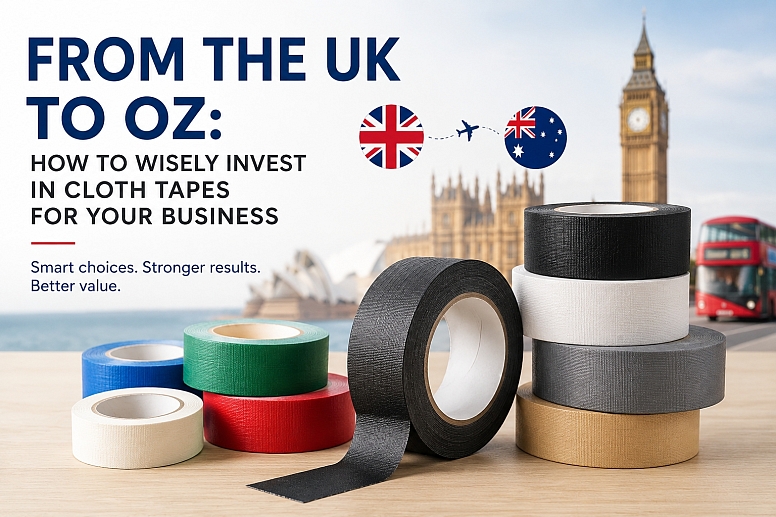
How to Wisely Invest in Cloth Tapes for Your Business
Have you ever found yourself standing in an industrial supply aisle, completely overwhelmed by the sheer variety of tape options available? Or perhaps you've ordered what seemed like the perfect cloth tape online, only to discover it wasn't quite right for your application? Maybe you're wondering why some businesses swear by cloth tape while others stick with cheaper alternatives?
Here's the thing — cloth tape might seem like a simple purchase, but getting it right can make a genuine difference to your operations. Whether you're running a busy warehouse in Melbourne, managing events in Sydney, overseeing manufacturing in Brisbane, or coordinating projects across London and the South East of England, the tape you choose impacts everything from productivity to professional appearance. A poor choice can lead to failed bonds, wasted materials, and frustrated staff.
In this guide, we'll explore everything you need to know about investing wisely in cloth tape for your business. You'll discover the different types available, understand what makes cloth tape unique, and learn how to match the right product to your specific needs. We'll also cover bulk buying strategies, common purchasing mistakes to avoid, and how to get the best value for your investment. By the end, you'll have the knowledge to make confident, informed decisions that benefit your bottom line.
What Is Cloth Tape and How Does It Differ from Other Adhesive Tapes?
Understanding Cloth Tape Composition
Cloth tape is made from woven fabric, typically cotton, polyester, or a blend of both, coated with a strong adhesive backing. This construction gives it a distinctive texture you can feel immediately when handling it. The fabric weave provides flexibility and strength that plastic-based tapes simply cannot match.
The adhesive layer varies depending on the intended application. Some use rubber-based adhesives for strong initial tack, while others feature synthetic adhesives designed for clean removal. This combination of fabric and adhesive creates a remarkably versatile product.
Cloth Tape vs Duct Tape: What's the Difference?
Many people confuse cloth tape with duct tape, but they're actually quite different products. Duct tape typically has a polyethylene coating over the fabric, making it more waterproof but also leaving residue behind. Cloth tape, particularly gaffer tape, uses a different adhesive formulation that allows for residue-free removal.
The backing materials also differ significantly. Cloth tape offers a matte finish that doesn't reflect light — essential for stage and film work. Duct tape's shiny surface makes it unsuitable for these professional applications.
Key Properties That Make Cloth Tape Unique
What truly sets cloth tape apart is its tearability. You can rip it cleanly by hand, both lengthways and across the width, without needing scissors. This saves valuable time in fast-paced environments. Plus, it conforms beautifully to irregular surfaces, sticking firmly to curves and textured materials where other tapes might fail.
What Are the Different Types of Cloth Tape Available?
Gaffer Tape for Professional Applications
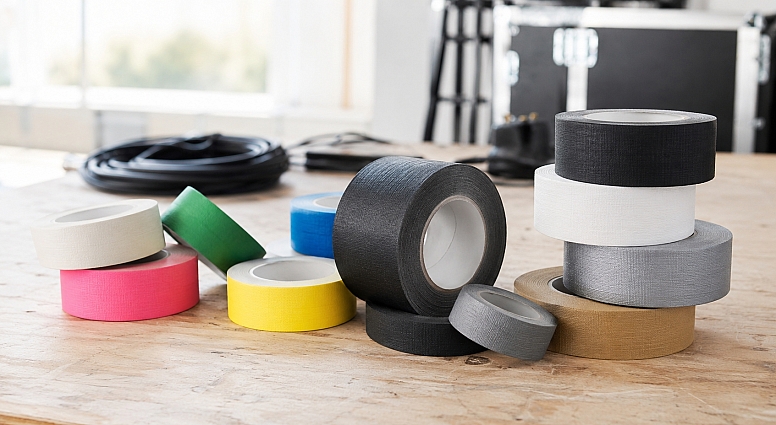
Gaffer tape represents the premium end of the cloth tape spectrum. It's the go-to choice for film sets, theatres, and concert venues across Australia. The same applies in the UK, where production teams working in London's West End theatres, television studios, live event venues, and exhibition spaces rely on high-quality cloth tape for cable management and stage marking. Its matte black finish absorbs light rather than reflecting it, making it invisible on camera. The adhesive removes cleanly without damaging surfaces — crucial when you're working with expensive equipment or hired venues.
General Purpose Cloth Tape
For everyday applications, general-purpose cloth tape offers an excellent balance of performance and value. It handles bundling cables, marking floors, and temporary repairs with ease. While it may leave slight residue after extended periods, it's perfectly suited for short to medium-term applications.
Heavy Duty Cloth Tape for Industrial Use
When you need serious holding power, heavy-duty cloth tape steps up. It features thicker fabric backing and more aggressive adhesive, designed to withstand demanding industrial environments. This type excels in manufacturing settings, construction sites, and automotive workshops where reliability is non-negotiable.
Specialty Cloth Tapes: Heat-Resistant and Waterproof Options
Specialty cloth tapes address specific challenges. Heat-resistant varieties can withstand temperatures up to 150°C, making them ideal for automotive engine work. Waterproof options feature additional coating treatments for outdoor applications or environments with moisture exposure.
What Is Cloth Tape Used For in Business Settings?
Manufacturing and Warehouse Applications
In manufacturing environments, cloth tape serves multiple purposes. It bundles components together, marks safety zones on floors, and provides temporary repairs that keep production lines moving. Warehouses across Australia use it extensively for securing pallets, labelling sections, and quick fixes that prevent costly downtime. Similar practices can be found in logistics hubs throughout London, Essex, Kent, and the wider South East, where efficiency and workplace organisation are critical to daily operations.
Event Management and Stage Production
The events industry relies heavily on cloth tape. From taping down cables to prevent trip hazards to marking stage positions for performers, it's an essential tool. Whether you're organising festivals in Australia or managing exhibitions, conferences, and theatre productions in London, cloth tape remains one of the most versatile products available for creating safe and professional event spaces.
Automotive and Electrical Industries
Automotive workshops use cloth tape for wire harnessing, protecting painted surfaces during repairs, and securing components during assembly. Electricians appreciate its insulating properties and use it for bundling cables and providing additional protection around junction points. These applications are common in both Australian workshops and British automotive businesses.
Packaging and Shipping Solutions
While not its primary purpose, cloth tape offers advantages in packaging applications. Its strength and conformability make it excellent for reinforcing boxes, securing awkward-shaped items, and creating professional-looking parcels that reflect well on your business.
How to Choose the Best Cloth Tape for Your Specific Needs
Assessing Adhesion Strength Requirements
Consider how much holding power you actually need. Over-specifying means paying more than necessary, while under-specifying leads to failures. Think about the weight being supported, the duration of application, and whether the bond needs to be permanent or temporary.
Considering Surface Compatibility
Different surfaces require different adhesive types. Rough concrete needs aggressive adhesive, while delicate painted surfaces demand gentle, residue-free formulations. Always test on an inconspicuous area first if you're uncertain about compatibility.
Evaluating Durability and Environmental Factors
Will your tape face extreme temperatures, humidity, or UV exposure? Indoor applications generally have fewer demands, but outdoor use requires careful product selection. In Australia, intense sunlight and heat can affect long-term performance. In London and other parts of the UK, businesses often need to account for rainfall, damp conditions, and changing seasonal weather patterns. Don't forget about chemical exposure in industrial settings — some adhesives break down when exposed to oils or solvents.
Colour Options and Professional Appearance
Cloth tape comes in a wide array of colours beyond standard black and silver. This allows for colour-coded organisation systems, matching corporate branding, or simply choosing options that look professional in your environment.
Is Cloth Tape Waterproof and Weather-Resistant?
Understanding Water Resistance Ratings
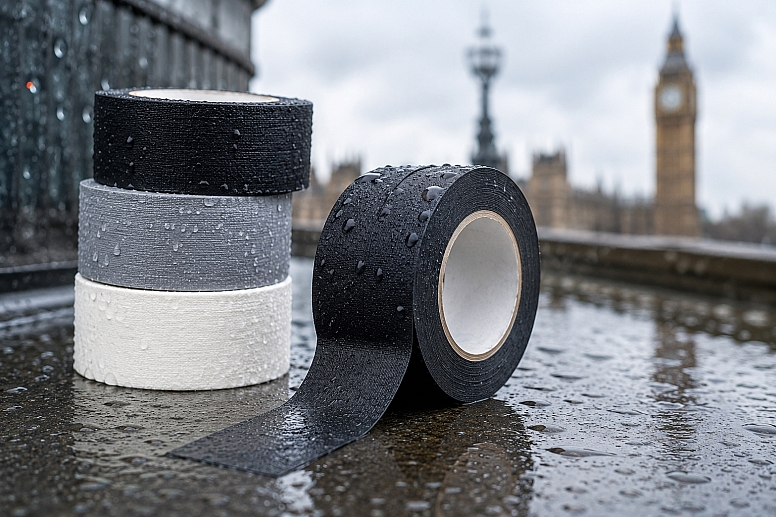
Standard cloth tape offers some water resistance, but it's not truly waterproof. The fabric backing can absorb moisture over time, weakening the bond. For wet environments, look for tapes specifically marketed as waterproof, with treated backings that repel water.
Indoor vs Outdoor Performance
Indoor performance is generally reliable across all cloth tape types. Outdoor use presents more challenges — UV degradation, temperature fluctuations, and moisture all impact longevity. Whether you're dealing with Australia's strong sun or London's famously unpredictable weather, investing in tape designed for exterior use can help ensure dependable performance.
Bulk Buying Cloth Tape: Getting the Best Value for Your Business
Wholesale Cloth Tape Pricing Considerations
Buying in bulk typically reduces your per-roll cost significantly. However, don't chase the lowest price at the expense of quality. Calculate the true cost by considering waste from failed applications, staff time, and potential damage to surfaces or reputation.
Calculating Your Business's Tape Requirements
Track your usage over several months before committing to bulk purchases. Consider seasonal variations — event companies might use three times more tape during busy festival seasons. Having accurate data prevents both stockouts and excess inventory gathering dust.
Working with Reliable Australian Suppliers
Partnering with established Australian suppliers offers advantages beyond price. You'll get faster delivery, local support when issues arise, and products suited to local conditions. The same principle applies for businesses in London and across Britain, where working with knowledgeable suppliers can help ensure products meet local requirements and operational demands. Building a relationship with your supplier often leads to better pricing and priority service during busy periods.
Common Mistakes to Avoid When Purchasing Cloth Tape
Choosing Price Over Quality
The cheapest option rarely provides the best value. Low-quality tape fails more often, frustrates your team, and can damage surfaces or products. Invest in reputable brands and watch your overall costs decrease.
Ignoring Application-Specific Requirements
A single tape type rarely suits all applications. Using gaffer tape for permanent bonds wastes money, while using general-purpose tape on a film set creates problems. Match the product to the task.
Overlooking Storage and Shelf Life
Cloth tape degrades over time, especially in poor storage conditions. Keep stock in cool, dry areas away from direct sunlight. Rotate your inventory to use older stock first, and don't buy more than you'll reasonably use within twelve months.
Making a Smart Investment in Cloth Tape
Investing wisely in cloth tape comes down to understanding your specific needs and matching them with the right products. We've covered the key differences between tape types, explored applications across multiple industries, and examined the factors that should guide your purchasing decisions. Quality, compatibility, and proper storage all play crucial roles in getting the best return on your investment.
The bottom line? Don't treat cloth tape as an afterthought in your supplies budget. Taking time to assess your requirements, test products before bulk purchasing, and build relationships with reliable suppliers will pay dividends. Your team will work more efficiently, your applications will succeed the first time, and you'll avoid the hidden costs of poor tape choices.
Whether you're operating in Australia, London, or elsewhere in the UK, cloth tape remains one of the most versatile and cost-effective tools available to modern businesses. So, before your next order, take a moment to review your current usage and consider whether you're truly getting the best value. Your future self — and your accountant — will thank you for making informed decisions about this surprisingly important business essential.










0.3913