

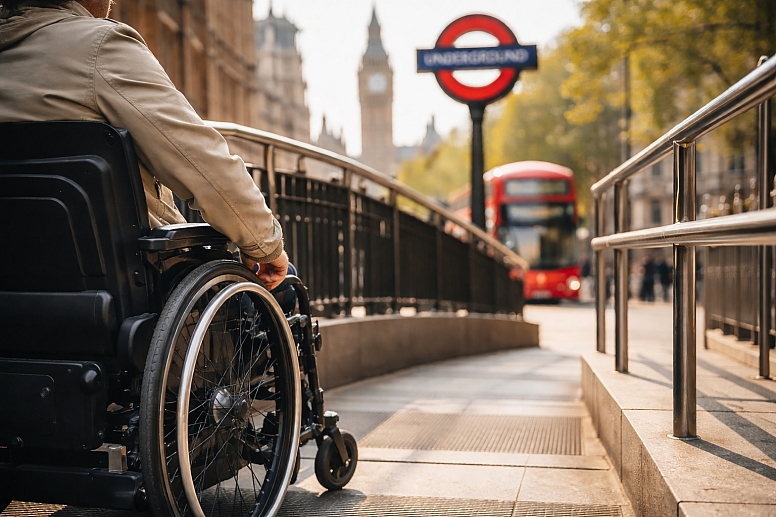
Getting Around London When Mobility is a Challenge
London offers opportunity, culture, and connection, yet moving around the city can feel demanding when mobility is limited. Crowded streets, changing transport services, and uneven access standards require more thought than many journeys once did. Practical choices and realistic planning make a real difference to confidence and comfort.
Daily travel may involve work, school runs, medical appointments, or social plans. Each journey comes with its own set of considerations. Some routes feel manageable, others less so. Knowing what options exist and how to use them well helps reduce stress and improve independence across the capital.
What Transport Options in London Are Actually Accessible?
Accessible travel across London extends far beyond trains and buses. A range of services support people with limited mobility, though access varies by location and time of day. Public transport, private hire, community schemes, and personal vehicles all play a role.
Many people explore used wheelchair-accessible vehicles as part of a broader mobility plan, especially when public transport does not meet their daily needs. These vehicles can support family travel, longer journeys, and situations where timing matters.
Transport choices should reflect lifestyle rather than assumptions. Some journeys suit buses or trains, while others work better with door-to-door travel. Flexibility often proves helpful, especially when mobility needs change over time.
How Easy Is It to Use Buses, Trains, and the Underground With a Wheelchair?
Buses remain one of the most consistent options across London. Every London bus includes a wheelchair ramp and a designated space. Drivers receive training, though busy routes may require patience during boarding. Clear communication with drivers usually helps smooth the process.
Rail travel varies depending on station layout. Several Underground and Overground stations provide step-free access, though lift availability can change without notice. Checking live service updates before leaving home reduces disruption. Staff assistance remains available at many stations when booked ahead.
Peak travel hours bring extra challenges. Crowded platforms and carriages limit space and increase waiting times. Some travellers prefer quieter periods when services feel less pressured. Others compare public transport with used WAV vehicles to gain greater control over timing and comfort.
Are Taxis and Private Hire Services a Reliable Option for Disabled Travellers?
Black cabs offer a strong level of reliability across most boroughs. All licensed black taxis provide wheelchair access, ramps, and secure travel space. Drivers must accept wheelchair users without extra charges, which adds reassurance.
Private hire services vary widely. Some operators provide accessible vehicles when requested, though availability depends on location and advance booking. Clear details about wheelchair size and seating needs help avoid issues on arrival.
Community transport schemes support residents who struggle with mainstream options. Councils and charities often run door-to-door services for shopping, healthcare, and social trips. People using used wheelchair accessible vehicles sometimes rely on these schemes as a backup rather than a primary option.
When Does Driving Become the More Practical Choice in London?
Driving suits many people who value flexibility. Travel schedules remain under personal control, which helps when appointments run late or routes change unexpectedly. Family members can travel together without worrying about space or assistance.
Parking remains a challenge across London, though the Blue Badge scheme helps in many areas. Each borough sets its own rules, so checking signage and council guidance remains important. Congestion and emissions zones add another factor when planning regular journeys.
Some drivers consider affordable used WAV vehicles from Allied Mobility as a way to meet mobility needs without long wait times. Ownership allows for regular routines and familiar seating layouts. Many also look at used WAVs for quicker availability after a change in mobility.
What Challenges Do Pavements, Crossings, and Streets Create Day to Day?
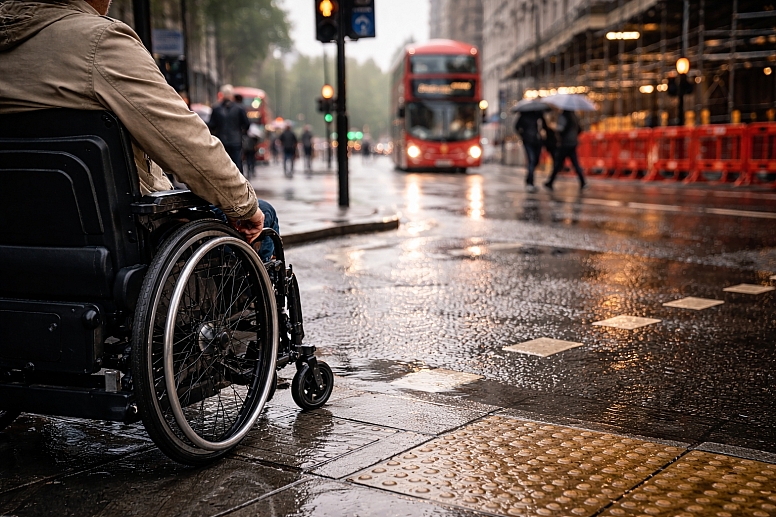
Street-level travel presents daily obstacles. Narrow pavements, uneven surfaces, and temporary works affect route choice. Planning familiar paths reduces unexpected barriers, especially around busy shopping areas.
Pedestrian crossings offer mixed experiences. Audible signals and dropped kerbs help, though timing often feels rushed. Quieter crossings provide more comfort for those moving at a slower pace.
Weather plays a role, too. Wet surfaces reduce grip and visibility, making slower travel necessary. Some people using used WAV vehicles choose to drive during poor conditions rather than rely on outdoor routes.
How Can Better Planning Reduce Stress When Travelling Around London?
Preparation improves confidence. Transport for London provides step-free maps, live updates, and journey planners that highlight accessibility features. Checking these tools shortly before leaving home helps avoid disruption.
Timing matters. Off-peak travel often feels calmer and more predictable. Allowing extra time reduces pressure when lifts fail or routes change. Backup plans help when services fall short.
Many people who rely on used wheelchair accessible vehicles still use public transport for short journeys. Planning allows each option to work together rather than compete.
How You Travel Around London
Accessible travel across London depends on informed choices and realistic planning. Each journey presents different challenges, though preparation reduces uncertainty. Public transport, taxis, and driving all have a place depending on need and circumstance.
Exploring options early helps build confidence and independence. Support services, planning tools, and flexible thinking make daily travel more manageable. London continues to change, and staying informed allows mobility needs to remain part of everyday life rather than a barrier.
Taking time to review travel habits and available support creates a stronger sense of control. Small adjustments often lead to better journeys and greater comfort across the city.
LEAVE A COMMENT
Recent Posts











0.4031