

UK Petrol Prices: Insights and Comparisons for Ex-Pats
For ex-pats living in or relocating to London, or elsewhere in the UK, understanding everyday living costs is essential. One expense that often catches new arrivals off guard is petrol. Whether you rely on a car for commuting, weekend travel, or occasional errands, fuel prices can have a noticeable impact on monthly budgets and long-term cost-of-living calculations.
Petrol prices in the UK are frequently discussed among newcomers, particularly those arriving from countries where fuel is significantly cheaper. UK fuel costs are shaped by a combination of government taxation, global oil markets, and currency movements, all of which can fluctuate. For ex-pats, understanding these forces isn’t just academic — it directly affects decisions around car ownership, commuting patterns, and even where to live.
This guide explains how petrol pricing works in the UK, why costs are comparatively high, and how they compare internationally. It also offers practical context for ex-pats trying to assess whether driving makes financial sense in their day-to-day life, whether on the motorways of England or the rural and coastal roads of Wales.

Understanding Petrol Pricing
Petrol pricing in the UK is influenced by several interconnected factors, many of which are outside domestic control. For ex-pats, understanding how these elements interact provides useful context when comparing fuel costs with those in their home country.
What Influences Petrol Prices?
The final price you see at the pump is made up of several components:
-
Crude Oil Prices: Crude oil represents the largest base cost of petrol. Because the UK imports much of its oil, global supply and demand, geopolitical tensions, and production decisions by major exporters directly influence UK fuel prices.
-
Exchange Rates: Oil is traded internationally in US dollars. When the British pound weakens against the dollar, the cost of importing oil rises, pushing domestic petrol prices higher.
-
Refining Costs: Turning crude oil into usable petrol involves refining processes that vary in cost depending on demand, capacity, and energy prices.
-
Distribution and Retail Costs: Fuel must be transported from refineries to filling stations. Regional logistics, staffing, and competition between retailers all influence final pricing.
-
Taxes and Duties: Fuel duty and VAT account for a substantial share of UK petrol prices, making taxation one of the most significant contributors to high costs.
Global vs. Local Factors Affecting Fuel Costs
While global oil markets largely dictate base fuel costs, domestic policies shape the final price drivers. Countries with domestic oil production or fuel subsidies often enjoy lower prices, while nations like the UK rely more heavily on taxation to support infrastructure and environmental objectives.
For ex-pats, this explains why fuel in the UK is often more expensive than in oil-producing countries or regions where fuel is subsidised. European countries, in particular, tend to prioritise environmental policies that discourage private car use through higher fuel taxation.
Currency Fluctuations and Their Role
Currency movements also affect fuel affordability. A weaker pound increases the cost of oil imports, which eventually filters through to consumers. For ex-pats earning income in foreign currencies, these fluctuations may amplify or soften the real cost of petrol depending on exchange rates.
Petrol Prices in the UK
UK petrol prices are among the highest globally, largely due to taxation and environmental policy. For ex-pats assessing whether to own a vehicle, understanding both average prices and regional variation is essential.
Overview of Current UK Petrol Prices
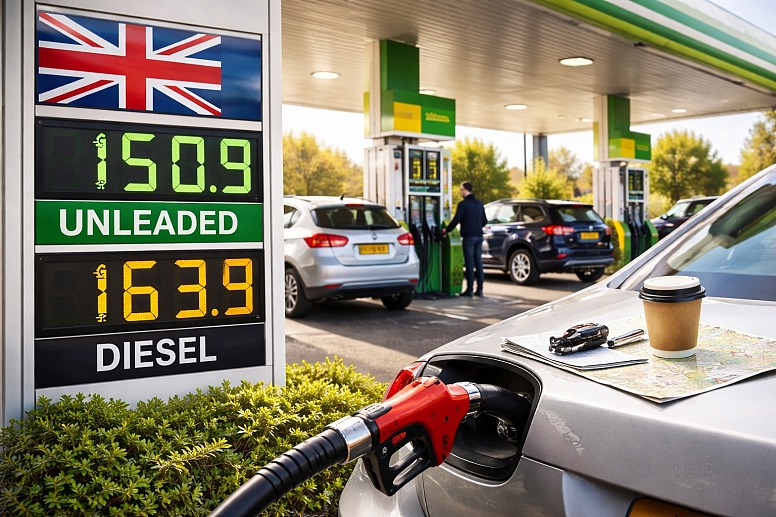
Recent averages typically place petrol prices between £1.40 and £1.60 per litre, with diesel often slightly higher. These figures can change frequently, influenced by oil prices, exchange rates, and competition between retailers.
Ex-pats accustomed to pricing per gallon should note that one UK gallon equals approximately 4.54 litres, which often makes international price comparisons appear more dramatic.
Regional Variations Within the UK
Prices can vary by location. Rural regions, including parts of Scotland, Wales, and Northern Ireland, often face higher costs due to transport logistics and limited competition. Larger cities such as London or Manchester may offer more competitive pricing, but are offset by congestion charges and parking costs.
For those living in London, reliance on public transport often reduces fuel spending, making car ownership less essential than in other regions.
Taxation on Fuel in the UK
Taxation is the single biggest reason petrol prices remain high:
-
Fuel Duty: A fixed charge per litre applied nationwide.
-
Value Added Tax (VAT): Charged at 20% on the final price, including duty.
Together, these taxes account for roughly 60% of the pump price. For ex-pats from low-tax or subsidised fuel markets, this difference often represents one of the most noticeable cost-of-living adjustments.











0.4014