

6 Tips on Choosing a Plastic Surgery Clinic in London
If you have been thinking about undergoing plastic surgery, you probably understand already just how important a decision this can be. Whether you are considering breast surgery, facial rejuvenation, liposuction, body contouring, or a reconstructive procedure, choosing the right healthcare professionals and treatment setting requires careful consideration.
Plastic surgery can have significant physical, emotional, and financial implications, so it is important to approach the process with realistic expectations and make decisions based on reliable information rather than simply on appearance, advertising, or price. You can also read more about expectations surrounding cosmetic surgery on this page.
The clinic and surgeon you choose are important parts of that decision. London has a large number of clinics and healthcare professionals offering cosmetic and reconstructive procedures, which gives prospective patients plenty of options. At the same time, having so many choices can make it difficult to know which providers deserve further consideration.
The worst thing you can do is make a rushed decision based solely on an attractive website, promotional offer, social media photographs, or a low advertised price. Instead, take time to research the clinic, the surgeon, the procedure itself, and the arrangements for your care. You should also make sure you understand the possible benefits, limitations, risks, recovery requirements, and costs before agreeing to treatment.
If you have never considered plastic surgery before, knowing what to look for can understandably feel overwhelming. The following tips can help you approach the process more carefully and identify questions worth asking before making a decision. They are not a substitute for professional medical advice, but they can help you prepare for conversations with qualified healthcare professionals.
Think About What You Want First
Before you start comparing clinics and surgeons, it is useful to have a clear idea of what you are hoping to achieve and why you are considering the procedure. You do not need to know the exact surgical technique or decide which treatment is appropriate before speaking to a qualified professional. A surgeon should assess your individual circumstances and explain which options may or may not be suitable.
Instead, consider the concern you would like to address and what you hope the procedure might change. It is also important to have realistic expectations. Cosmetic surgery cannot guarantee a particular appearance or completely change every aspect of your body, and every surgical procedure involves potential risks.
Once you understand your general goals, you can look for professionals with relevant experience. For example, if you are considering a particular type of breast, facial, or body procedure, it makes sense to investigate whether the surgeon regularly performs that type of surgery and has appropriate training and experience. This can help you have more informed discussions during consultations.
It is also worth taking time to consider whether you are comfortable with the recovery period and potential limitations following surgery. Depending on the procedure, recovery may affect work, exercise, travel, childcare, and other everyday activities. These practical considerations should form part of your decision rather than being treated as an afterthought.
Make a List of Potential Clinics
Once you have established what type of procedure you are considering, you can begin researching potential clinics and surgeons. Recommendations from people you trust can be one source of information, but personal recommendations should not replace your own research. Someone else's experience may not reflect your circumstances, medical needs, or expectations.
You can also search online for clinics and surgeons who offer the procedure you are considering. When reviewing websites, look beyond photographs and promotional claims. Find out who the surgeons are, what qualifications and experience they have, where procedures are carried out, and what information is provided about consultations, risks, recovery, and aftercare.
It can be useful to create a shortlist rather than immediately choosing the first clinic that appears in search results. Comparing several appropriate providers can help you identify differences in their approach and give you better questions to ask during consultations.
Be particularly careful with heavily promotional offers or pressure to book treatment quickly. A reputable healthcare provider should give you appropriate information and sufficient time to consider your options. You should never feel that you have to make an immediate decision simply because a discount or limited-time offer is being presented.
Check If the Clinics Are Registered
One of the most important steps when researching a clinic is checking the relevant registration and regulatory information. In England, the Care Quality Commission (CQC) regulates certain health and social care services, although not every individual healthcare professional or type of service is regulated by the CQC in the same way. Therefore, it is important to understand what registration applies to the particular service you are considering.
Where a clinic or service falls within CQC regulation, you can check its registration and available inspection information. This can provide useful information about the service and whether there have been relevant regulatory findings. However, a regulatory record should be considered alongside other information rather than being treated as the only factor in your decision.
You should also establish exactly where your procedure will take place and who will be responsible for your care. A clinic's consultation location may not necessarily be the same place where surgery is performed. Ask about the hospital or surgical facility, the arrangements for anaesthesia where applicable, and what support is available if you experience a problem after the procedure.
Taking these steps can give you a clearer understanding of the healthcare setting in which your treatment would take place and the standards and arrangements that apply to it.
Check the Qualifications of the Surgeon
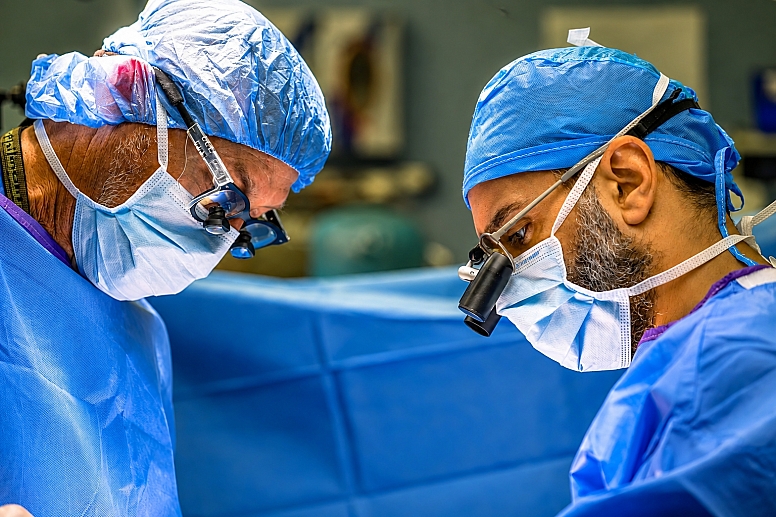
The individual carrying out your procedure is one of the most important factors to consider. Before choosing a surgeon, check their professional registration, qualifications, training, and experience. In the UK, you can use the General Medical Council (GMC) register to check a doctor's registration and relevant information about their professional status.
For specialist surgery, it is also sensible to investigate whether the surgeon has appropriate specialist training and whether they are listed on the relevant GMC Specialist Register. You should consider whether their experience is relevant to the specific procedure you are considering rather than relying solely on general claims about experience in cosmetic surgery.
Ask how frequently the surgeon performs the procedure, how long they have been performing it, and what their approach would be in your particular circumstances. You can also ask about potential complications, revision surgery, recovery, and what happens if the result does not meet expectations.
Do not assume that a surgeon's appearance in advertisements, social media posts, testimonials, or before-and-after photographs tells you everything you need to know about their suitability. Such material can be useful when researching providers, but it should not replace checking professional credentials and having a proper consultation.
Have Consultations
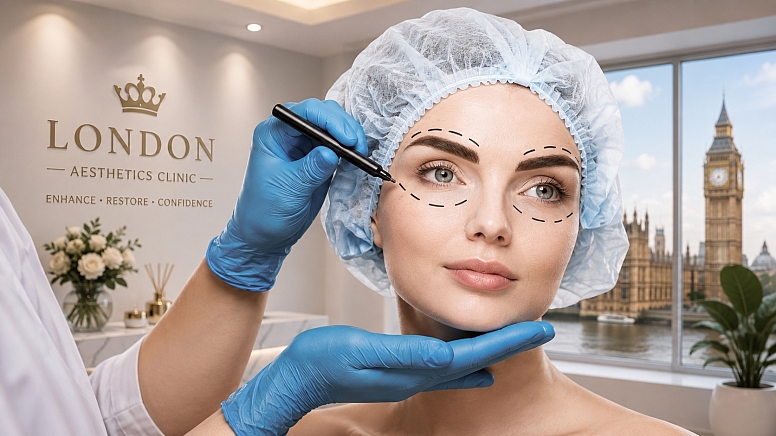
An initial consultation should allow you to discuss your goals, available treatment options, potential risks, recovery, and concerns with the healthcare professional responsible for your care. You should also provide relevant information about your medical history, medications, previous procedures, allergies, and any other information the clinician asks for.
This is why, when trying to choose the right clinic and the right surgeon, a process that you can read more about at https://health.clevelandclinic.org/how-to-find-a-good-plastic-surgeon, you should take your time and ask questions before making a decision.
A good consultation should involve more than simply discussing the appearance you would like to achieve. The surgeon should assess whether the procedure is appropriate for you, explain realistic outcomes, discuss material risks and possible complications, and explain what recovery may involve. You should have an opportunity to ask questions and should not feel pressured into agreeing to treatment.
Pay attention to how clearly the professional communicates. If explanations are difficult to understand, important risks are dismissed, or you feel uncomfortable asking questions, those can be reasons to take a step back and seek another opinion.
You may also want to ask practical questions such as where the operation will take place, who will provide anaesthesia if it is required, who will look after you immediately after surgery, how follow-up appointments are arranged, and whom you should contact if you develop a problem during recovery.
For an elective procedure, there is generally no reason to rush. Taking time to consider the information you receive, and seeking a second consultation or another professional opinion when appropriate, can help you make a more informed decision.
Check the Prices, But Don’t Choose Based on Them Alone
Cost is naturally an important consideration when you are planning to pay for private plastic surgery. However, comparing prices is not as simple as choosing the clinic with the lowest advertised figure. Different quotations may include different services, facilities, consultations, medications, follow-up appointments, or aftercare arrangements.
Ask for a clear breakdown of the total expected cost and find out whether additional expenses could arise. Depending on the procedure, you may need to consider consultation fees, surgical fees, anaesthesia, hospital or facility charges, garments or medications, follow-up care, and potential costs associated with further treatment.
You should also ask what happens financially if the procedure needs to be changed, cancelled, postponed, or repeated for medical reasons. Understanding these arrangements before treatment can prevent unpleasant surprises later.
While you should certainly make sure that the treatment is financially realistic for you, price should not be the only factor influencing your decision. A low price does not automatically mean poor quality, just as a high price does not automatically mean that a particular surgeon or clinic is the right choice for you.
Instead, consider the complete picture: the surgeon's qualifications and relevant experience, the clinic and surgical facility, the consultation process, the information provided about risks, the arrangements for aftercare, and the overall suitability of the treatment for your circumstances.
Ultimately, choosing a plastic surgery London clinic is a decision that deserves time and careful research. Start by understanding what you want to address, then investigate potential providers, check the relevant registration and professional credentials, attend proper consultations, ask detailed questions, and make sure you understand both the risks and the full cost of treatment.
Most importantly, remember that plastic surgery is still surgery, even when it is elective or cosmetic. There can be risks, complications, recovery requirements, and outcomes that differ from what you expected. Taking a careful, informed approach can help you make a decision based on your own circumstances rather than advertising, pressure, or price alone.











0.437