

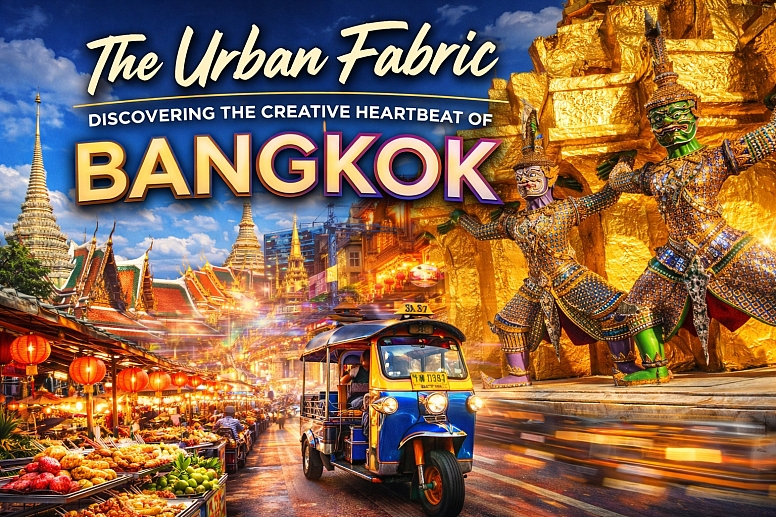
Urban Fabric: Discovering the Creative Heartbeat of Bangkok
Bangkok is a city of layers. Beneath the neon skyline and bustling street markets lies a vibrant, sophisticated art and culture scene that rivals any global capital. For travellers and urbanists alike, looking beyond the surface reveals a creative renaissance reshaping its neighbourhoods, galleries, and historic quarters. The urban fabric of Bangkok is being rewoven by a new generation of artists, designers, and visionaries who are transforming forgotten districts into thriving hubs of innovation.
This transformation is not loud or superficial. It is thoughtful stories and arts, deliberate, and deeply rooted in place. Warehouses are turning into exhibition spaces. Old family homes are evolving into concept cafés. Canal-side communities are becoming cultural landmarks. In Bangkok, reinvention does not erase history — it collaborates with it.
For those of us who study the cultural evolution of cities, it offers a powerful case study in organic regeneration.
The Creative Pulse of the Riverside
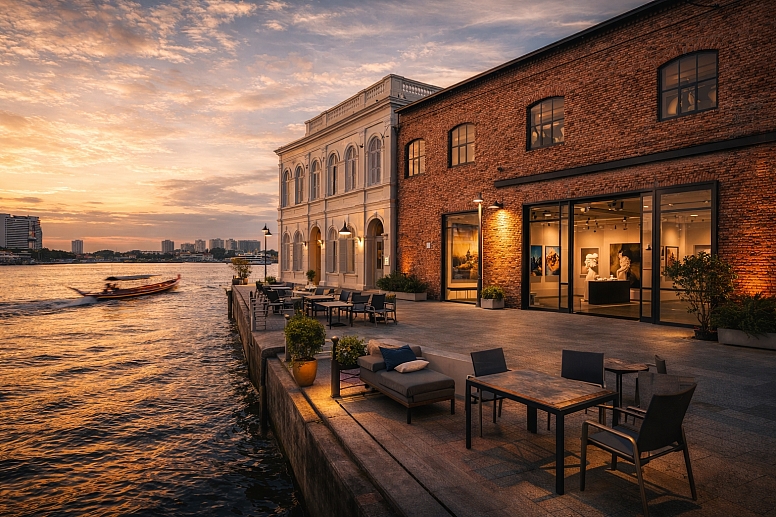
From the Chao Phraya riverside to historic quarters like Talat Noi and Charoenkrung, the city is buzzing with artistic energy. Once-overlooked shophouses now host contemporary galleries showcasing experimental Thai and Southeast Asian artists. Brick walls that once stored cargo now display multimedia installations and avant-garde photography.
The riverside, in particular, has emerged as a creative corridor. Restored colonial buildings stand alongside modern design spaces, forming a dynamic contrast between past and present. Artists draw inspiration from the river’s historic role as Bangkok’s lifeline, channelling its movement and memory into their work. This dialogue between a city and its waterway is reminiscent of the Thames' own influence on London's creative districts, from Bankside to Greenwich.
But creativity here extends beyond canvas and sculpture. Traditional Thai crafts — ceramics, weaving, wood carving — are being reimagined through contemporary design. Young entrepreneurs are blending heritage techniques with minimalist aesthetics, creating pieces that speak to both global audiences and local pride.
This is where the “real” Bangkok lives — at the intersection of a centuries-old canal and a high-concept fashion studio, where incense drifts past industrial lofts and street art shares walls with ancestral shrines. It’s a sensory urban experience that feels both foreign and familiar to anyone who appreciates how history layers upon itself in a great city.
Neighbourhoods as Living Galleries
Unlike cities where art is confined to museums, Bangkok’s creativity spills into everyday life. Murals brighten narrow alleyways. Independent bookstores double as poetry spaces. Rooftop bars host experimental film screenings. The city itself becomes an evolving gallery. This concept of the "city as a canvas" is a powerful driver for cultural tourism, attracting visitors who seek authentic, place-based experiences.
Districts like Ari and Thonglor pulse with design-forward cafés and boutique studios, while Talat Noi maintains its raw industrial charm infused with modern creativity. The result is a cityscape that feels both gritty and glamorous — polished yet unpretentious.
Exploring these neighbourhoods offers more than photo opportunities. It provides insight into Bangkok’s social and cultural dialogue. Artists here address themes of identity, sustainability, urbanisation, and tradition, reflecting Thailand’s evolving role in a globalised world. It’s a vibrant, real-time conversation about what a 21st-century city can be.
An Enduring Spirit of Reinvention
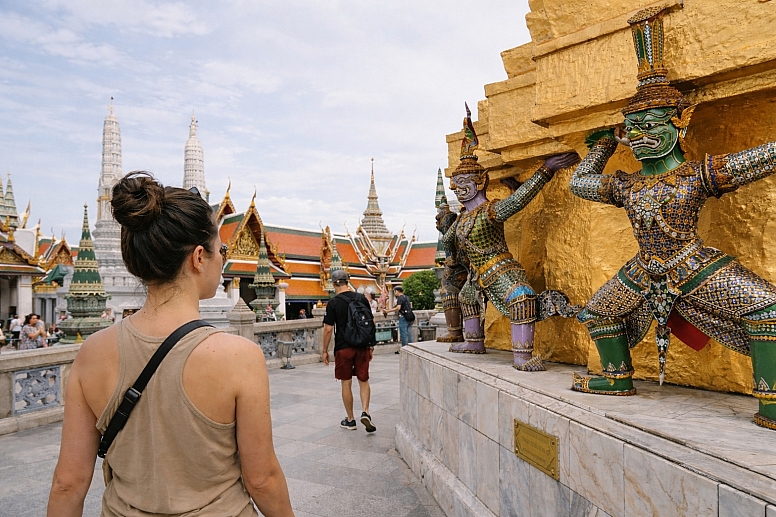
Bangkok’s creative surge is not a fleeting trend. Reinvention has always been woven into the city’s identity. From its canal-based origins to its rise as a regional powerhouse, Bangkok has continuously adapted while preserving its spiritual and cultural core.
This enduring spirit is visible in how modern galleries operate beside Buddhist temples, how experimental fashion brands honour Thai textiles, and how new architecture respects the scale and rhythm of old communities. Change is embraced, but roots remain intact. This balance is the holy grail of sustainable urban development, and Bangkok navigates it with a unique, chaotic grace.
For travellers, discovering these creative pockets offers something deeper than sightseeing. It offers connection. You witness a city negotiating its past and future in real time — honouring tradition while boldly imagining what comes next.
Where the Grit Meets the Glamour
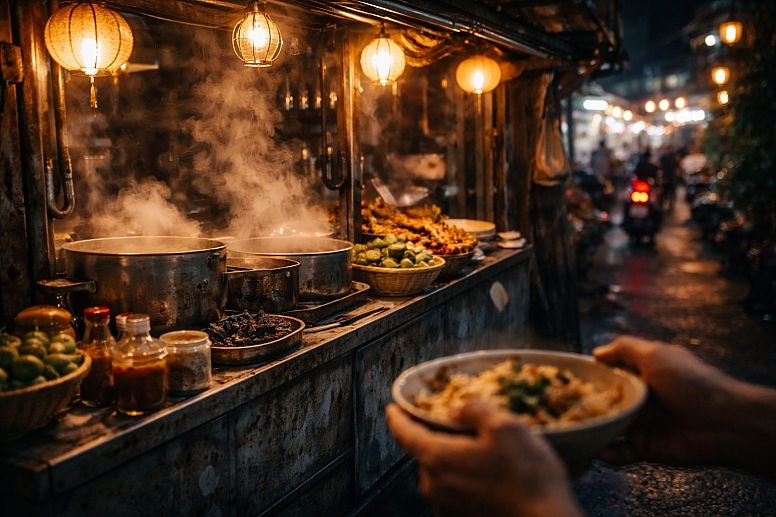
Part of Bangkok’s magic lies in its contrasts. Luxury malls coexist with open-air markets. High-concept art spaces sit steps away from street food vendors who have perfected recipes over generations. The creative lifestyle here celebrates both refinement and raw authenticity.
You might spend the afternoon browsing an independent art gallery and the evening savouring noodles from a stall that has stood for decades. This balance between innovation and heritage defines Bangkok’s cultural heartbeat. It’s a potent reminder that a city’s soul isn’t found in its glossy new towers, but in the spaces where old and new collide.
Experiencing Bangkok’s Creative Soul
To truly experience Bangkok, step off the typical tourist path. Wander through riverside lanes. Visit small exhibitions. Talk to local designers. Sit in a café built inside a restored warehouse. Observe how the city breathes, adapts, and expresses itself. These are the authentic travel experiences that create lasting memories, much like exploring the hidden mews and independent galleries of London.
Bangkok’s creative pulse is a testament to its resilience and imagination. It is a city constantly rewriting itself without losing its essence. In every mural, gallery, and revitalised shophouse, you will find proof that Bangkok is not just a destination — it is a living, evolving work of art, and a vibrant source of inspiration for how we understand the modern metropolis.





0.2701